
Inquiry-Based Teaching
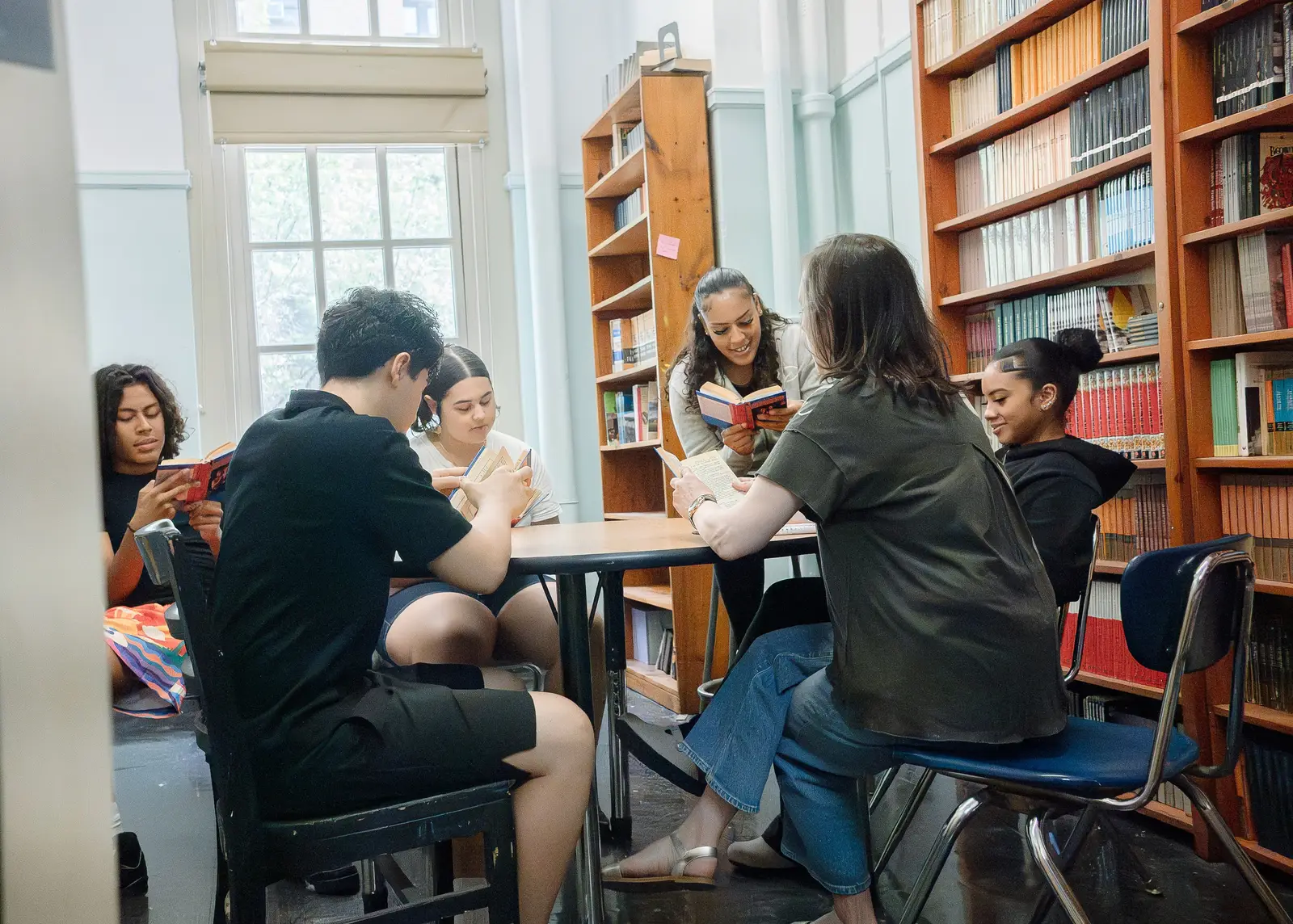
The way we teach at Urban Academy is called the “inquiry method," which means different things to different people. Here's what it means to us: Inquiry teaching requires the teacher to frame questions in a way which challenges students to examine often conflicting evidence, draw conclusions and support these conclusions in thoughtful discussions with others who, using the same evidence base, reach divergent conclusions.
A student wrote...
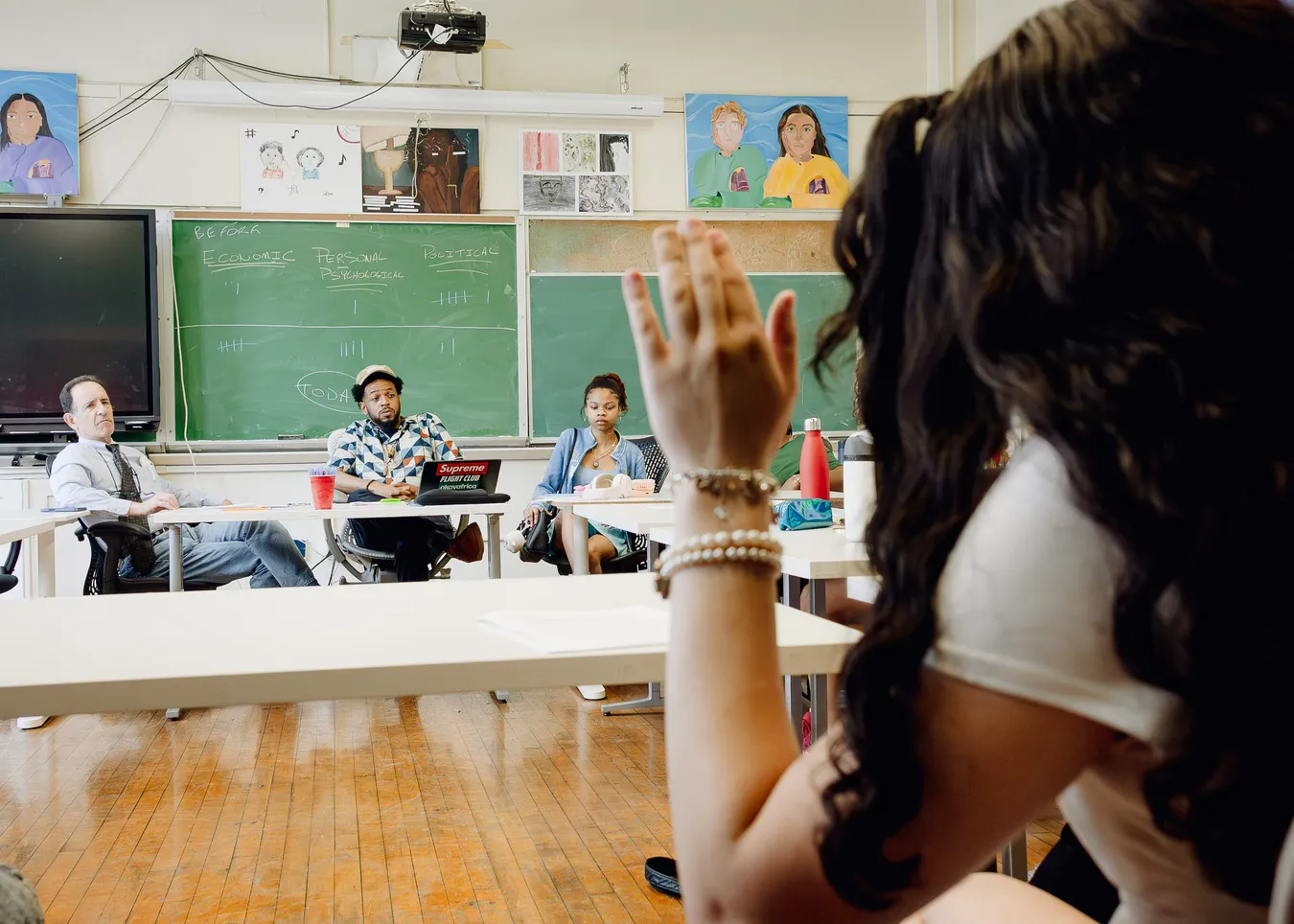
Here, the focus wasn't on finding the "right" answer. Instead, we were encouraged to pose questions, pick a stance, and then back our views with research and evidence. This method ensured that everyone was actively involved in the learning process.
A Comparative Example: The History of Columbus
Here's an example of inquiry-based teaching in action:
| Traditional High School Lesson | Urban Academy's Lesson | |
|---|---|---|
| Task | A teacher might ask students to write a report on the impacts of Columbus's "discovery" of America. | Students might be asked to debate how we should remember Columbus today. |
| Methodology | Students would be expected to write about the expanded trade routes, the development of the European colonies, the wealth that was acquired by Spain, and maybe the conflicts that Coumbus had with the native peoples. | Some students might argue that he was a determined navigator and an ambitious explorer. Others might say he was a racist conqueror who enslaved and killed off a native population. Still, others might argue a third, or fourth, or fifth position. |
| Result | A researched paper that includes summary of the information more than analysis. | There is no “right" answer, and students at Urban are not expected to find one. Instead, they are expected to take a position, argue it in discussion and in writing using evidence, and also refute opposing arguments. |
Core Objectives
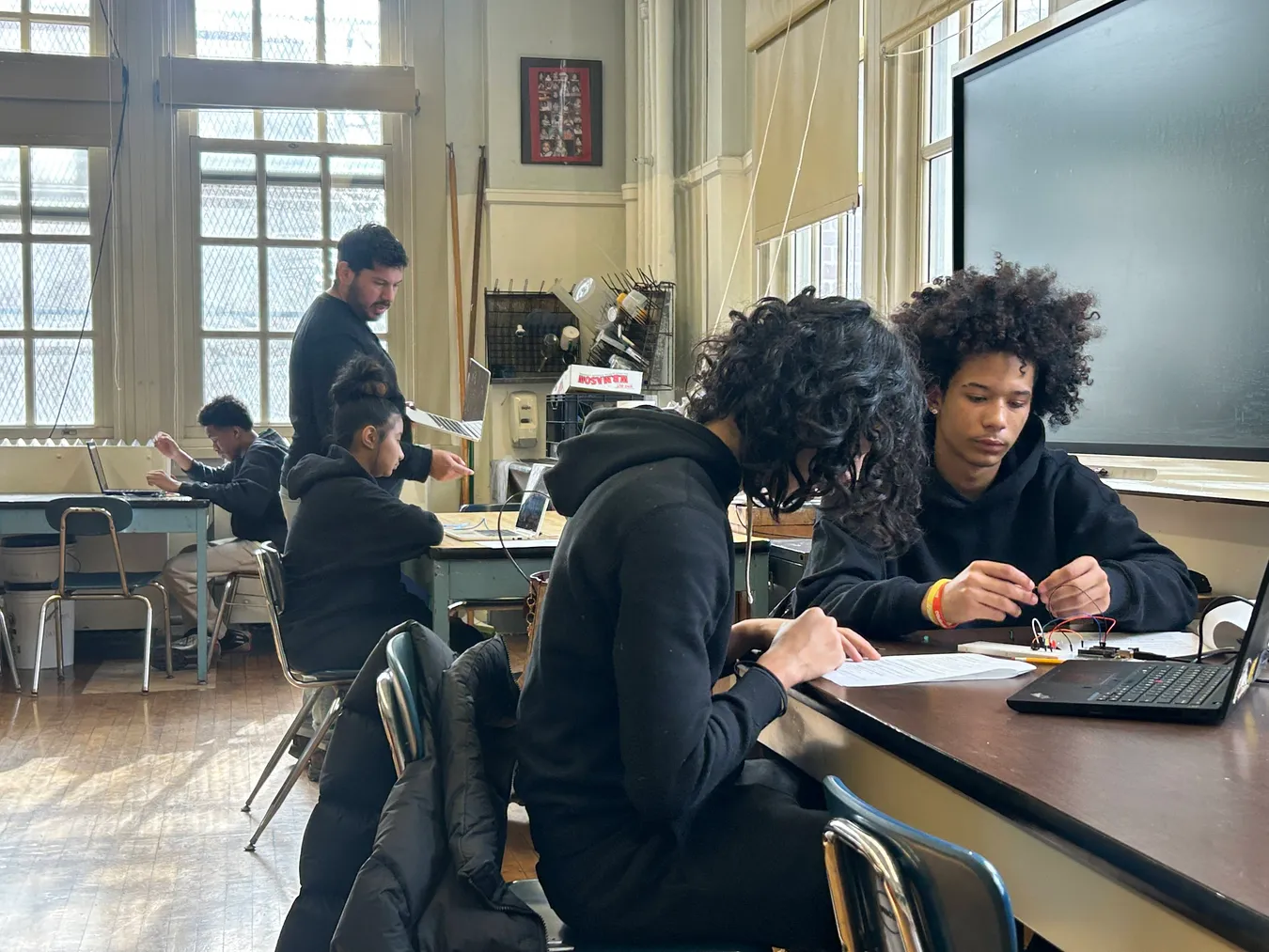
The ultimate goal is to produce independent-thinking and articulate citizens. A goal of inquiry-based learning is to develop skills of:
Critical Analysis
Developing the skills to break down complex information.
Life-long learning
The ability to confront any topic and research it independently.
Confidence
Building the strength to defend what, in some cases, may be minority opinions.